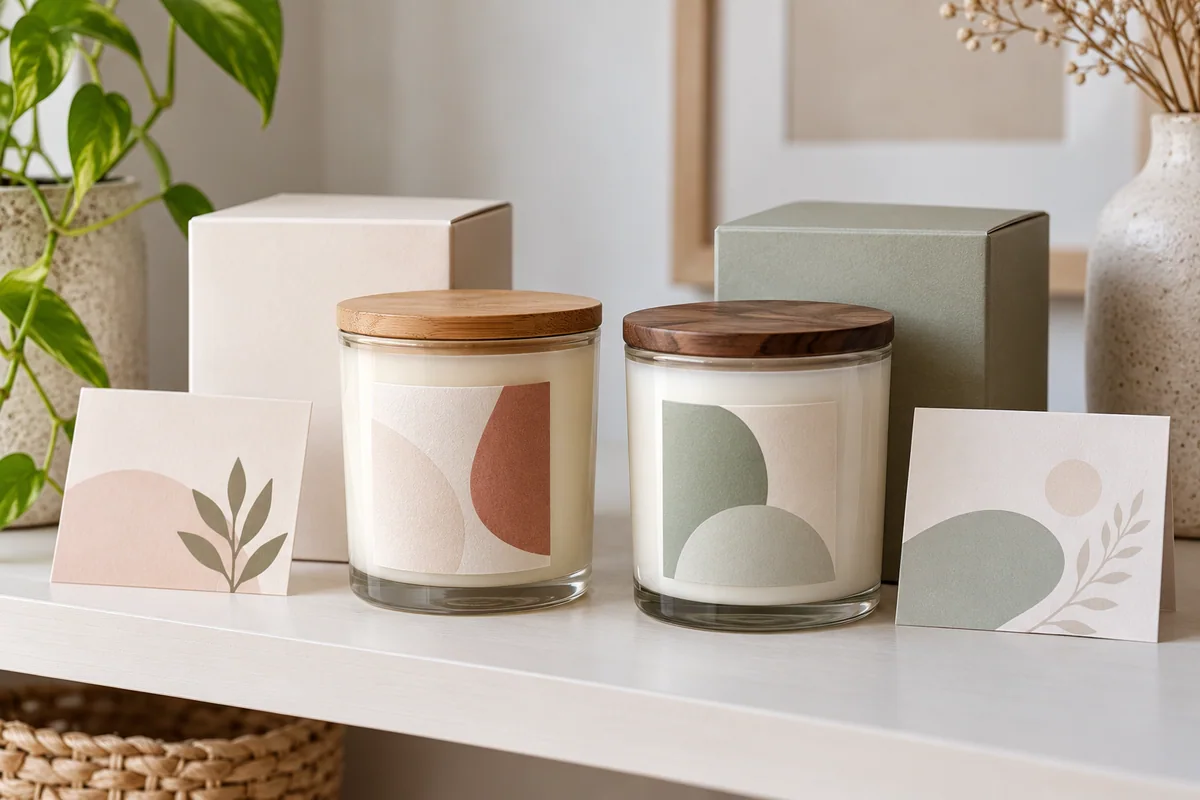
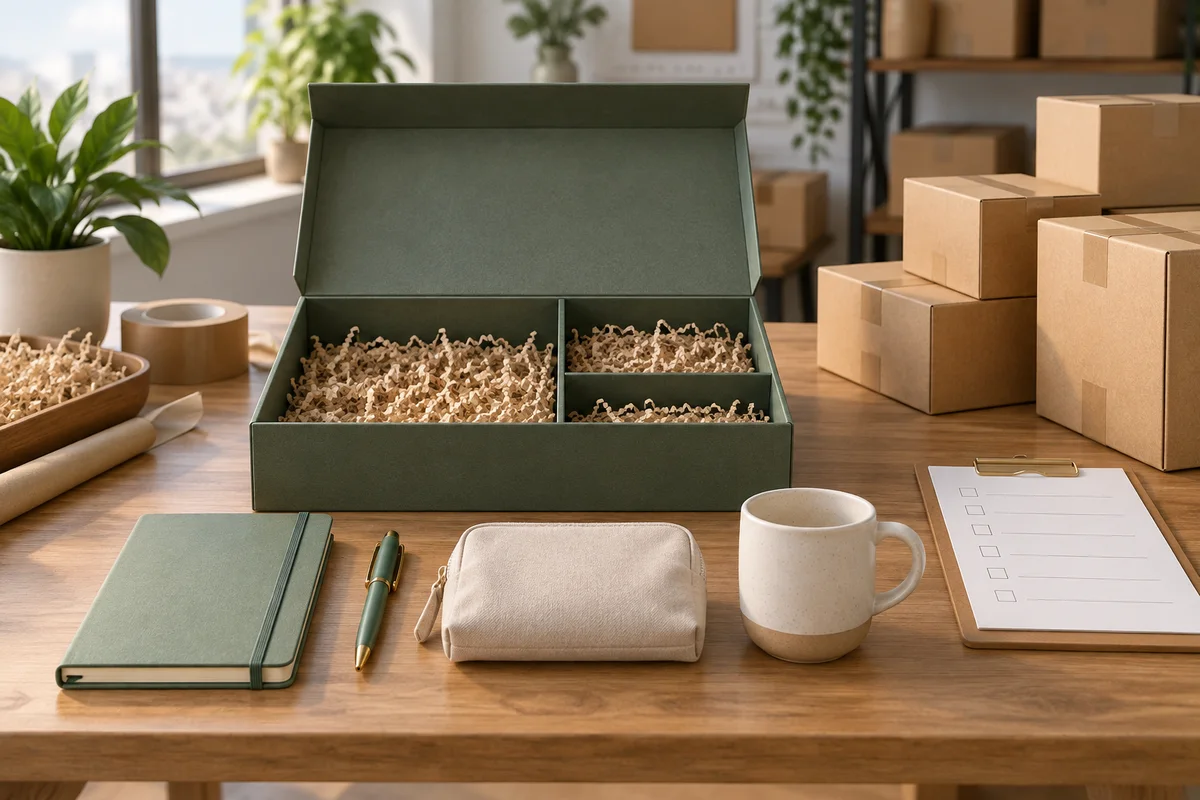
Compare the declared candle variant on each accessible vessel and box with its order line, while preserving pairing evidence and unresolved contents identity.
Count the approved body, colour and decoration combinations together, with surplus variants and unresolved assignments visible even when the total agrees.
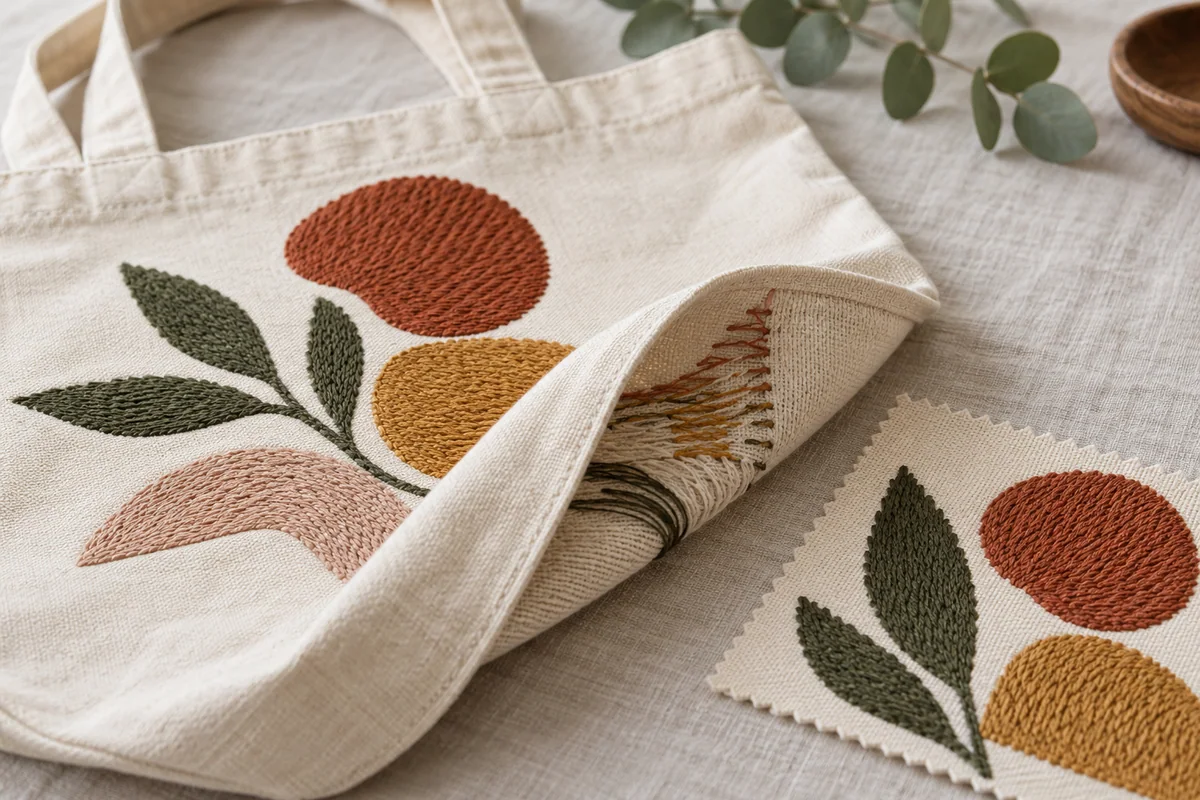
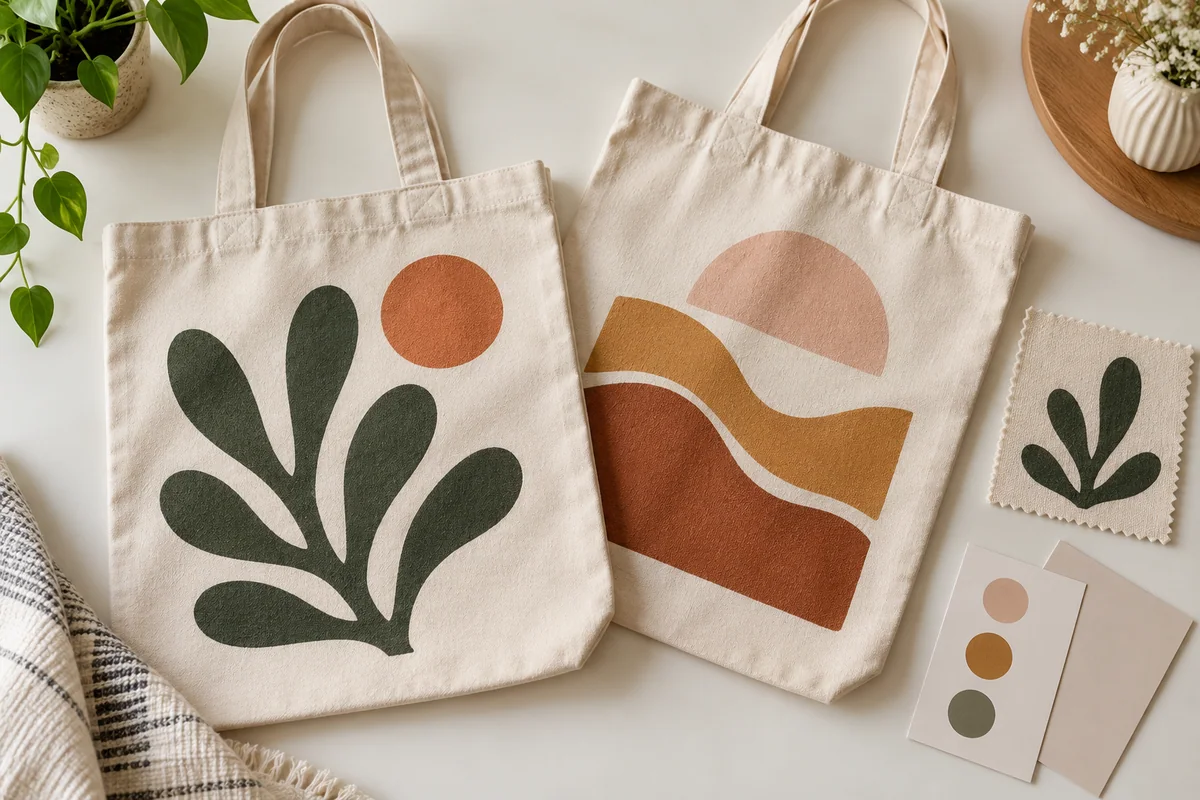
Keep the stitched motif, accessible reverse and relaxed surrounding fabric connected to the same gift. Record visible differences without removing backing or diagnosing stitch tension.
Compare each identified receiving group with the approved colour sample, preserving viewing conditions and within-group variation instead of averaging them away.
Map visible decoration differences to specific features and received units. Distinguish colour-layer alignment from edge shape, unwanted marks and whole-logo placement.
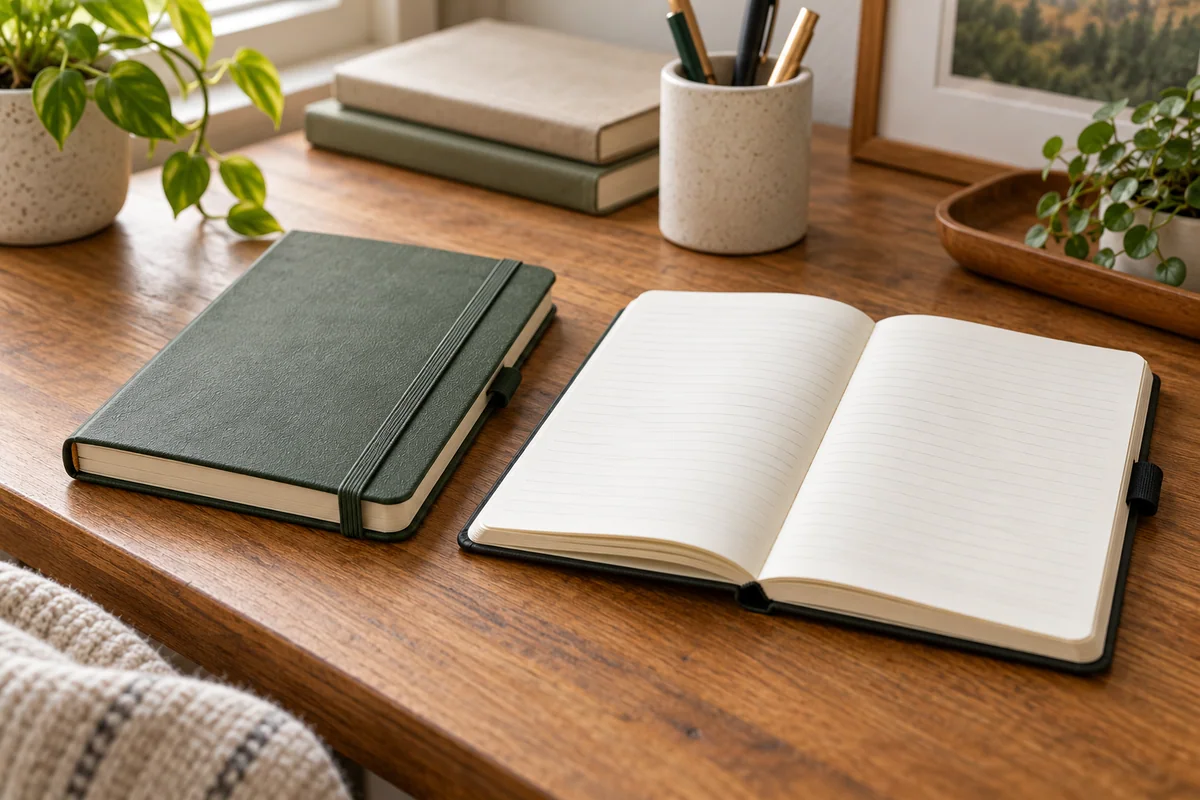
Follow the received notebook from untouched closed view to permitted opening and reclosure, preserving band interference, page-block position and stop points.
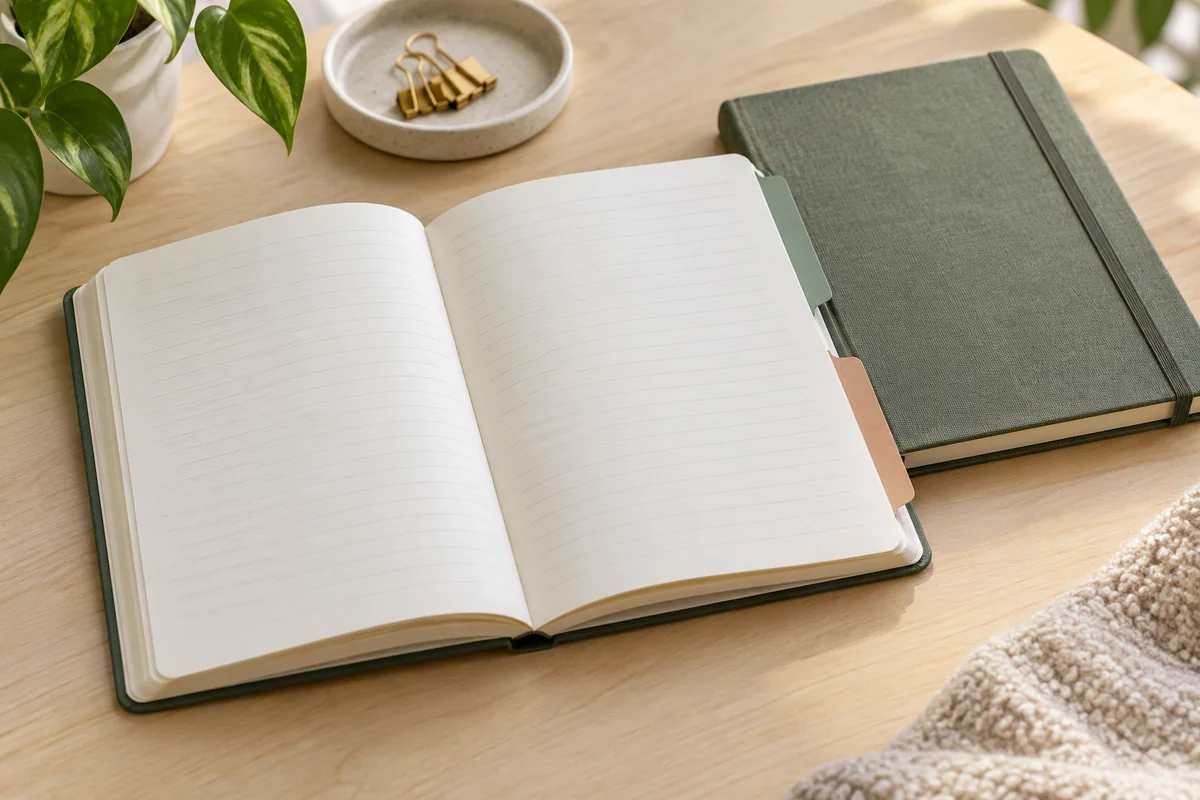
An accurate total can conceal a repeated information section and missing writing leaves. Use physical sequence positions and section transitions to check the received interior.
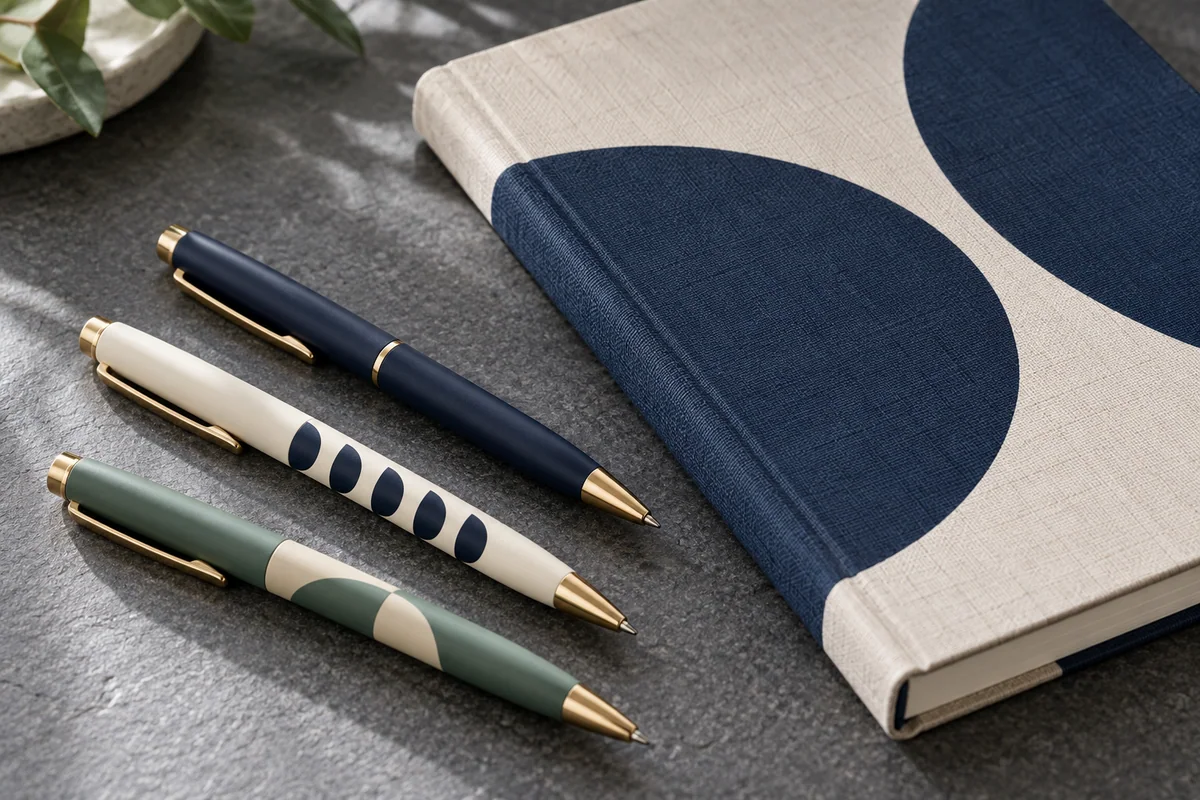
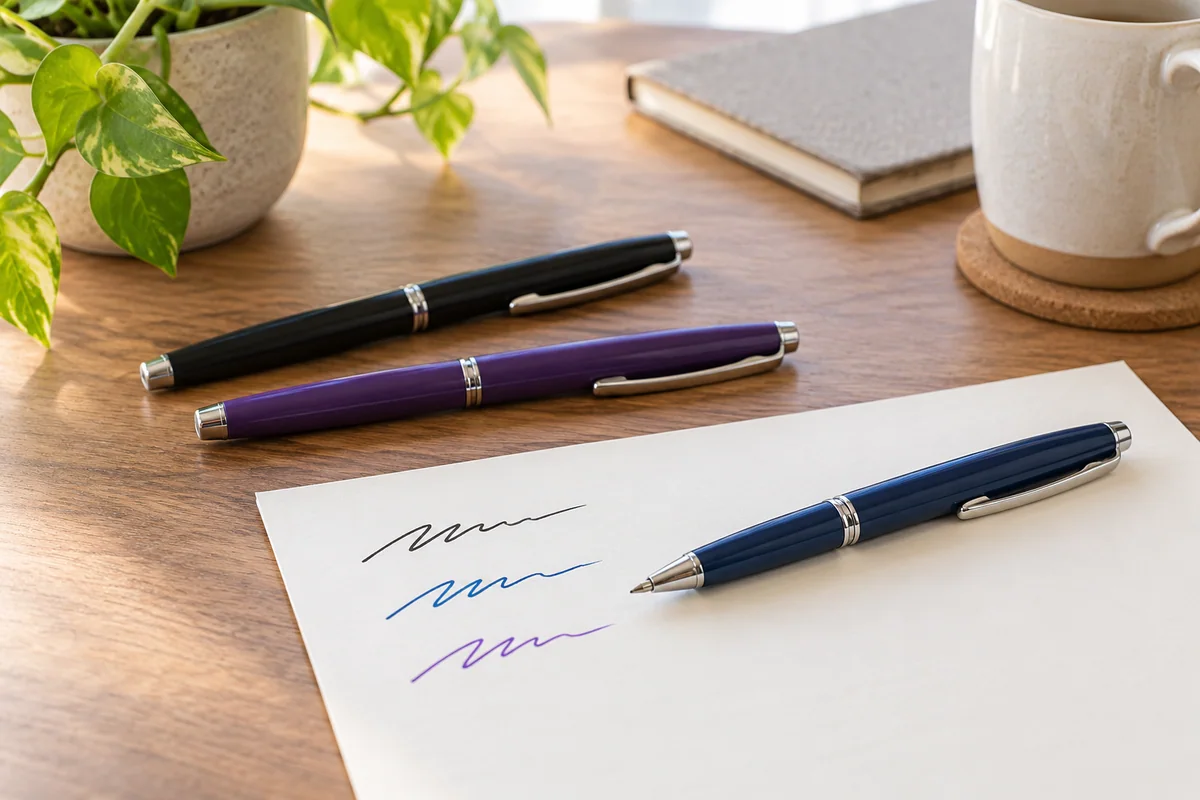
Connect each inspected pen to its own ordinary-writing record, paper and agreed task. Preserve no-line and skip observations without guessing ink life, cause or lot quality.
Link reworked or replacement gifts to the original decoration finding, then record both the old feature and additional visible departures in the repeat scope.
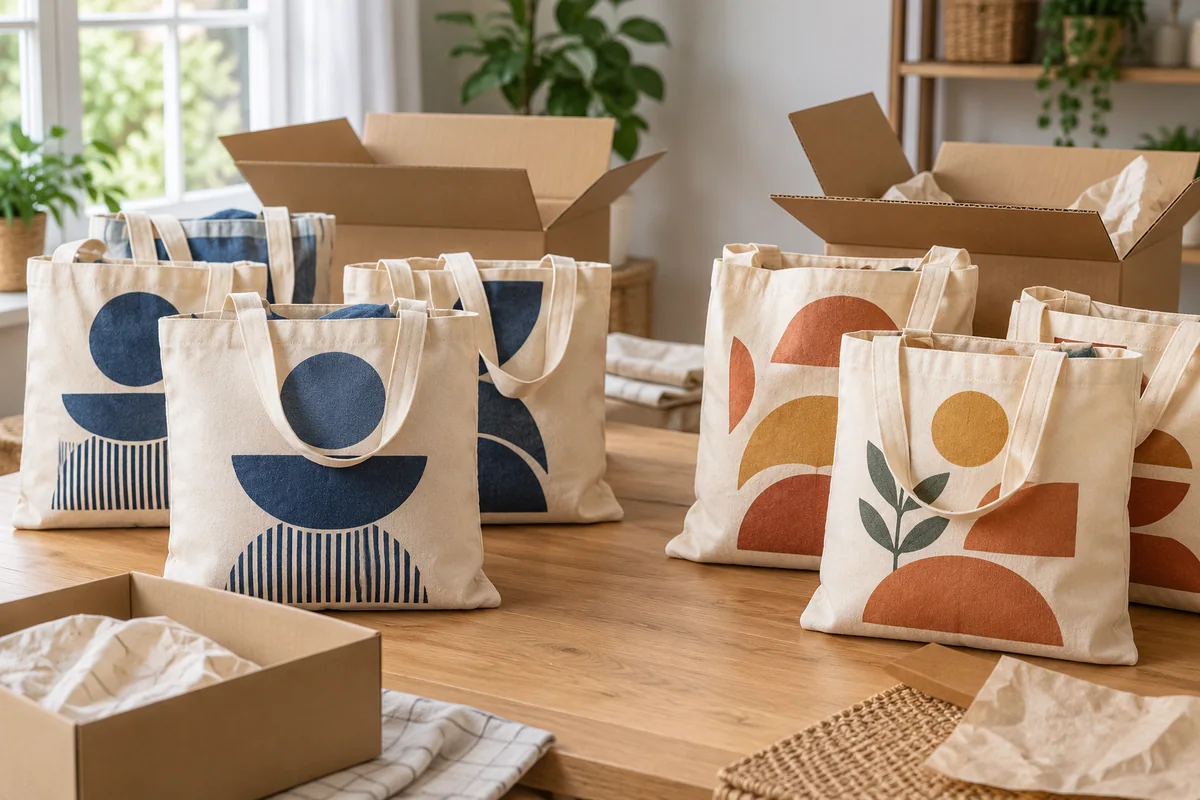
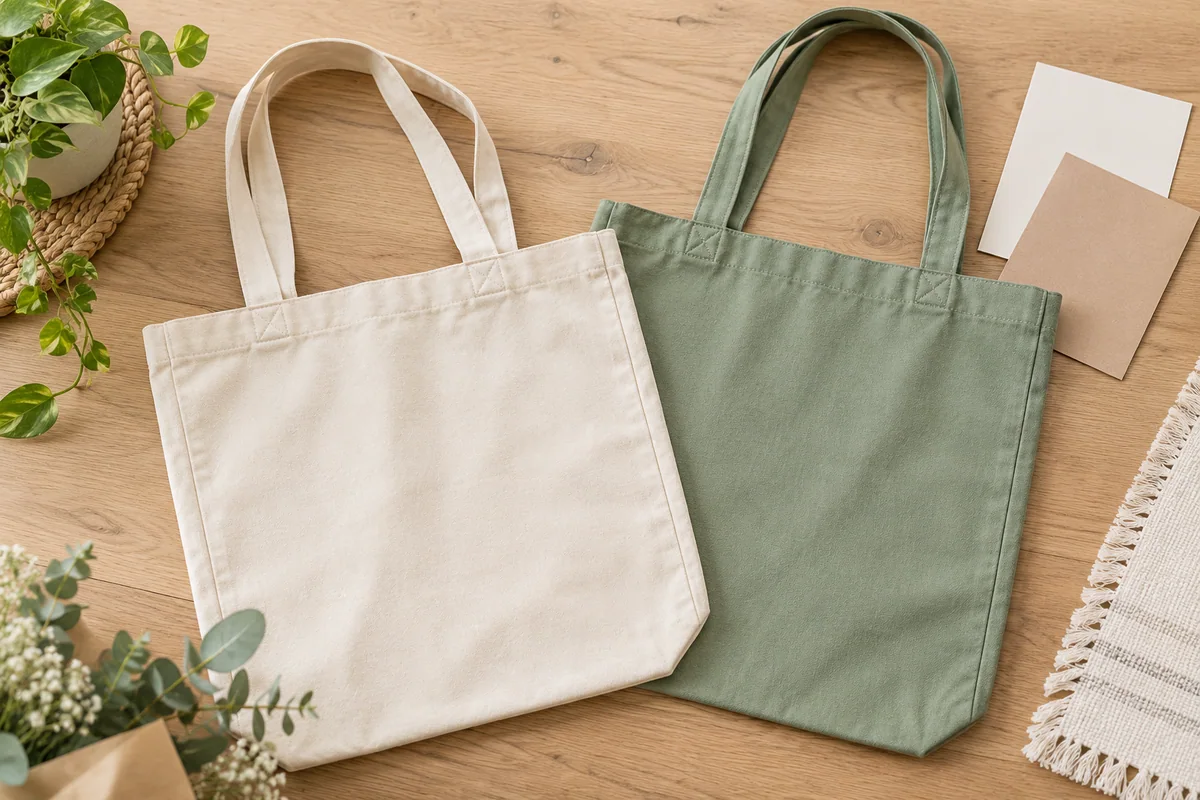
Locate each handle root and visible seam on an identified tote, compare the relaxed bag with its approved reference, and separate affected bags from overlapping findings.
Follow the ring, connector and charm as one received assembly, distinguishing confirmed configuration changes from obscured joins and untested strength.
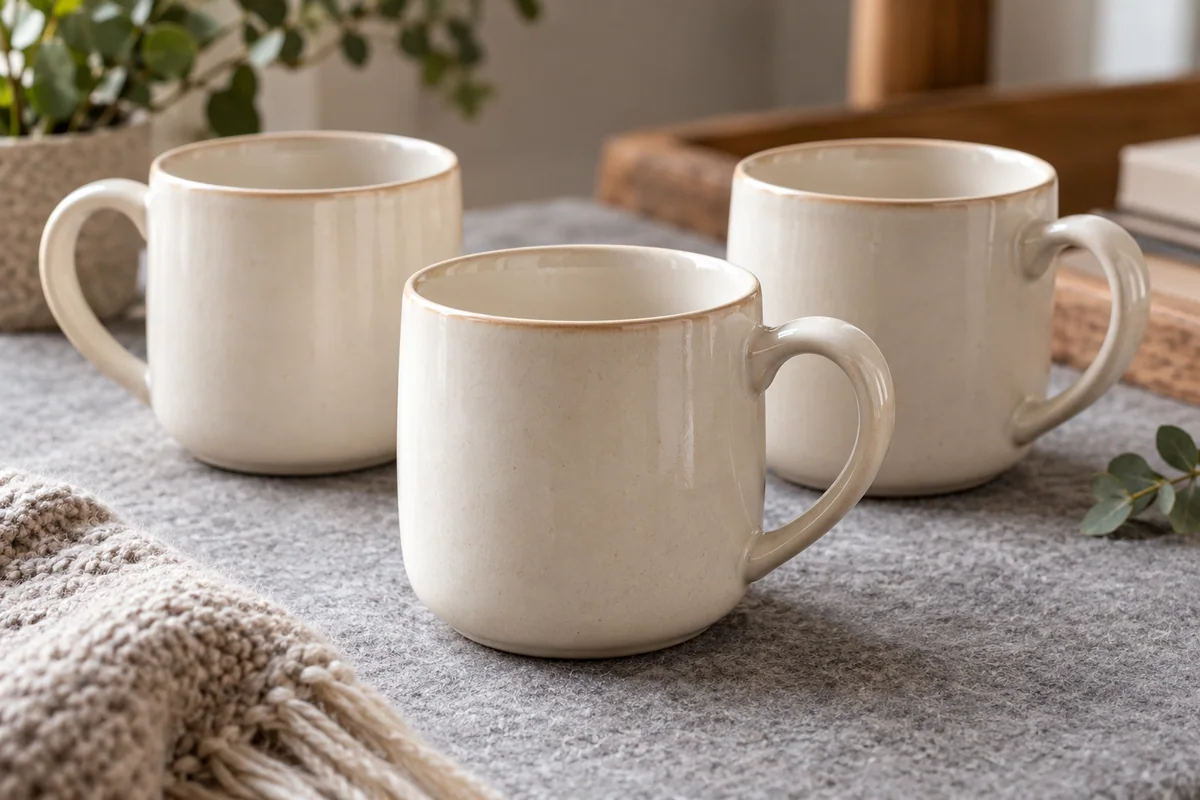
Record rim, body, handle-join and decoration observations by mug and view, with safe handling limits and separate appearance and product-review decisions.